Shop
Our ancestral super meals nourish the next generation and cultivate local food systems
Stage 1
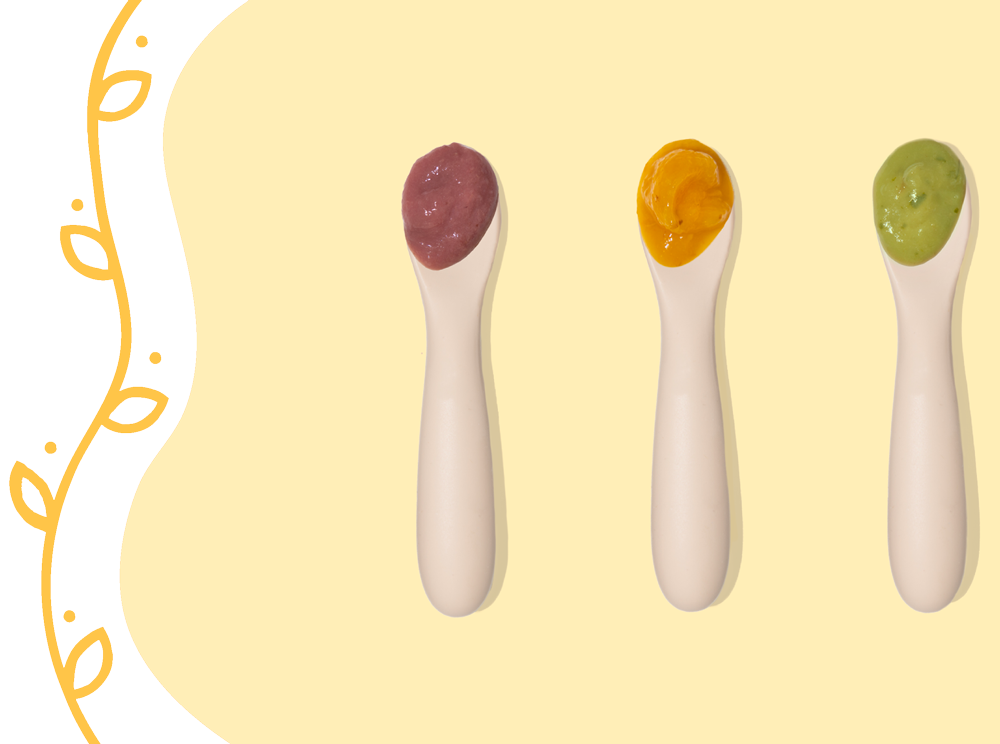
First tastes — single-ingredient purées, smooth and simple.
Stage 1 is where most babies begin. Readiness usually shows up around 6 months: sitting up with support, holding their head steady, and reaching for what's on your plate. One ingredient at a time makes it easier to introduce new foods and to notice how your baby responds to each.
Each pouch here is built around a single fruit or vegetable rather than a blend.
Stage numbering is an industry convention rather than a regulated standard, so it varies between brands. Every baby moves at their own pace — your pediatrician is the best guide for when yours is ready to start solids.







Stage 2
Blended flavors — still smooth, a little more going on.
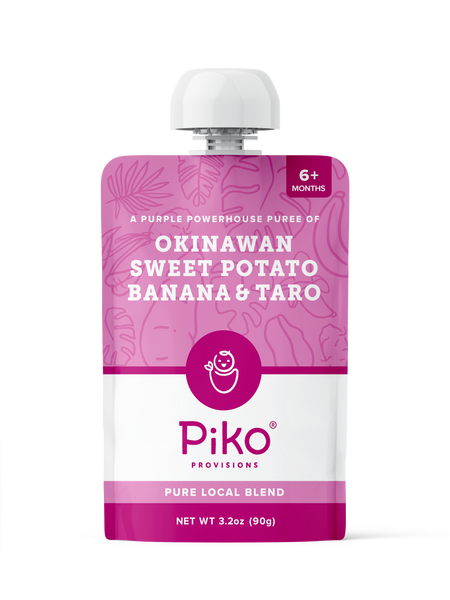
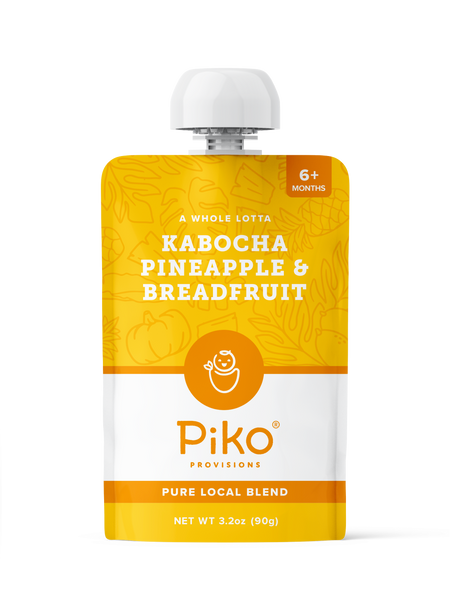
Once your baby has met a few single ingredients and handled them well, Stage 2 combines two or three foods in one pouch. Same smooth texture, more complex taste, and a natural next step for babies who have settled into eating solids.
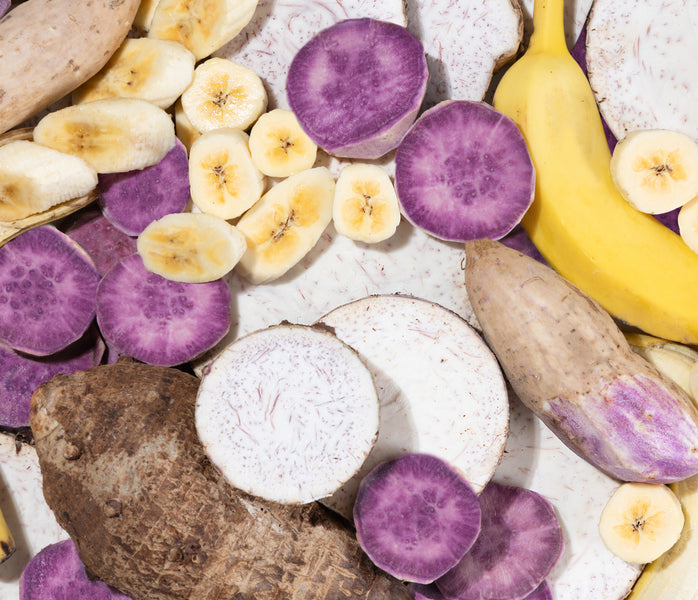
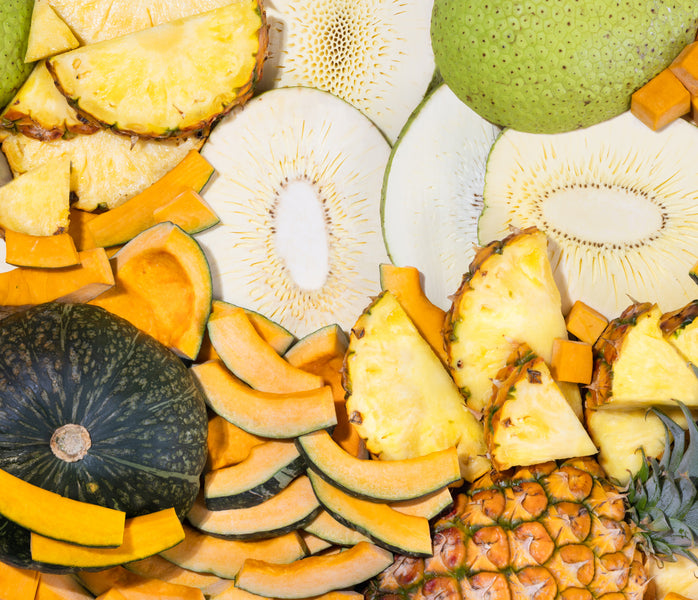
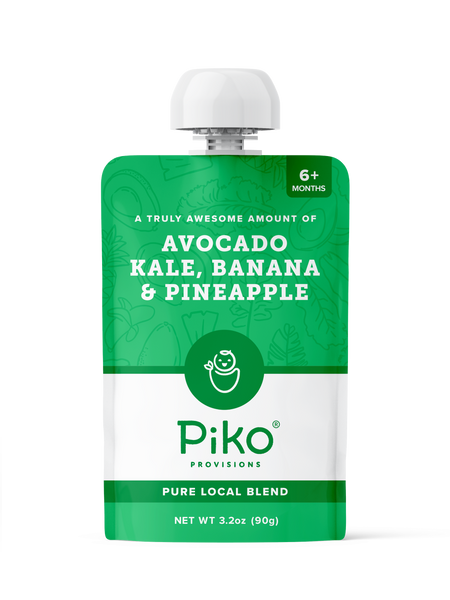
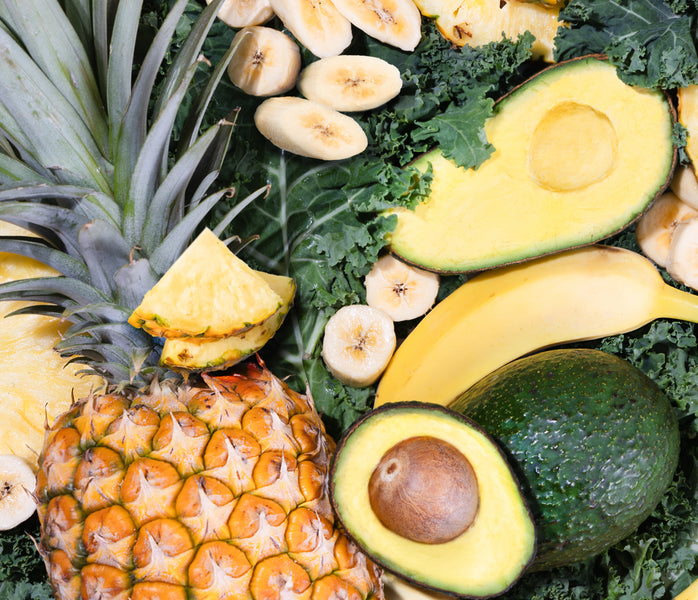
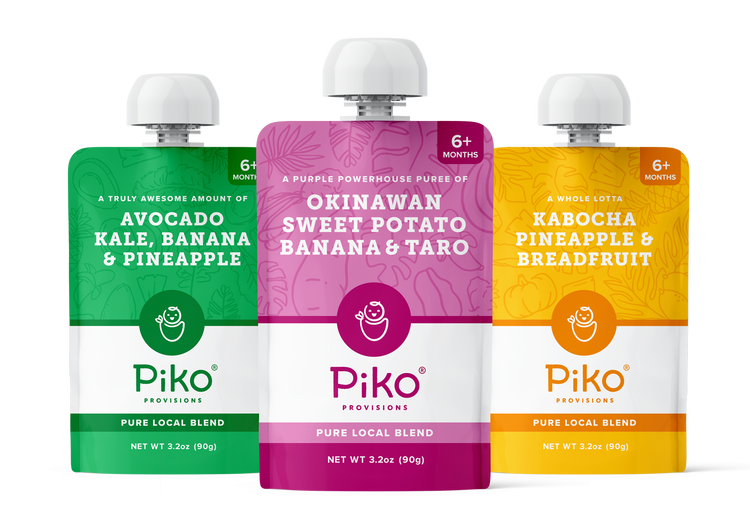
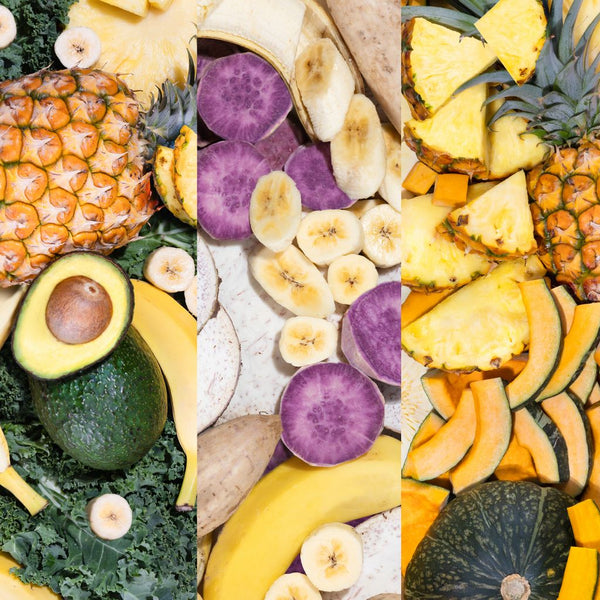
These blends pair fruits and vegetables in combinations built to be nutritious and genuinely good to eat.
Stage numbering is an industry convention rather than a regulated standard, so it varies between brands. Move at your baby's pace, and check with your pediatrician about introducing new foods.
Stage 3
Textured meals — heartier food for a more experienced eater.
Stage 3 moves from a single taste to a whole meal. The texture is thicker and less uniform, which helps babies practice moving food around their mouth. This stage generally suits babies who have handled smooth purées comfortably and are eating solids regularly, often somewhere around 9 months and up.
These are meal-style blends rather than simple fruit purées. Some are savory, some are sweet, and each carries more substance than a single-fruit pouch.
Stage numbering is an industry convention rather than a regulated standard, so it varies between brands. Readiness for thicker textures differs from baby to baby; your pediatrician can help you judge it.


Snacks
Finger foods for babies and toddlers feeding themselves.
Snacks sit alongside the stages rather than after them. These are for little ones who can sit up unsupported and have started picking up pieces of food on their own — usually once a baby is well into eating solids, though it varies.
Everything here is freeze-dried, so it melts easily in the mouth, and sized for small hands to pick up on their own.
Always supervise your child while they're eating finger foods, and talk to your pediatrician about which textures are right for them.


